
support@prolabsindia.in
Visit Our Office
3rd Floor, Prashant complex Sec-8, Dwarka, Delhi
Call us
+91-8588007200
What it is:
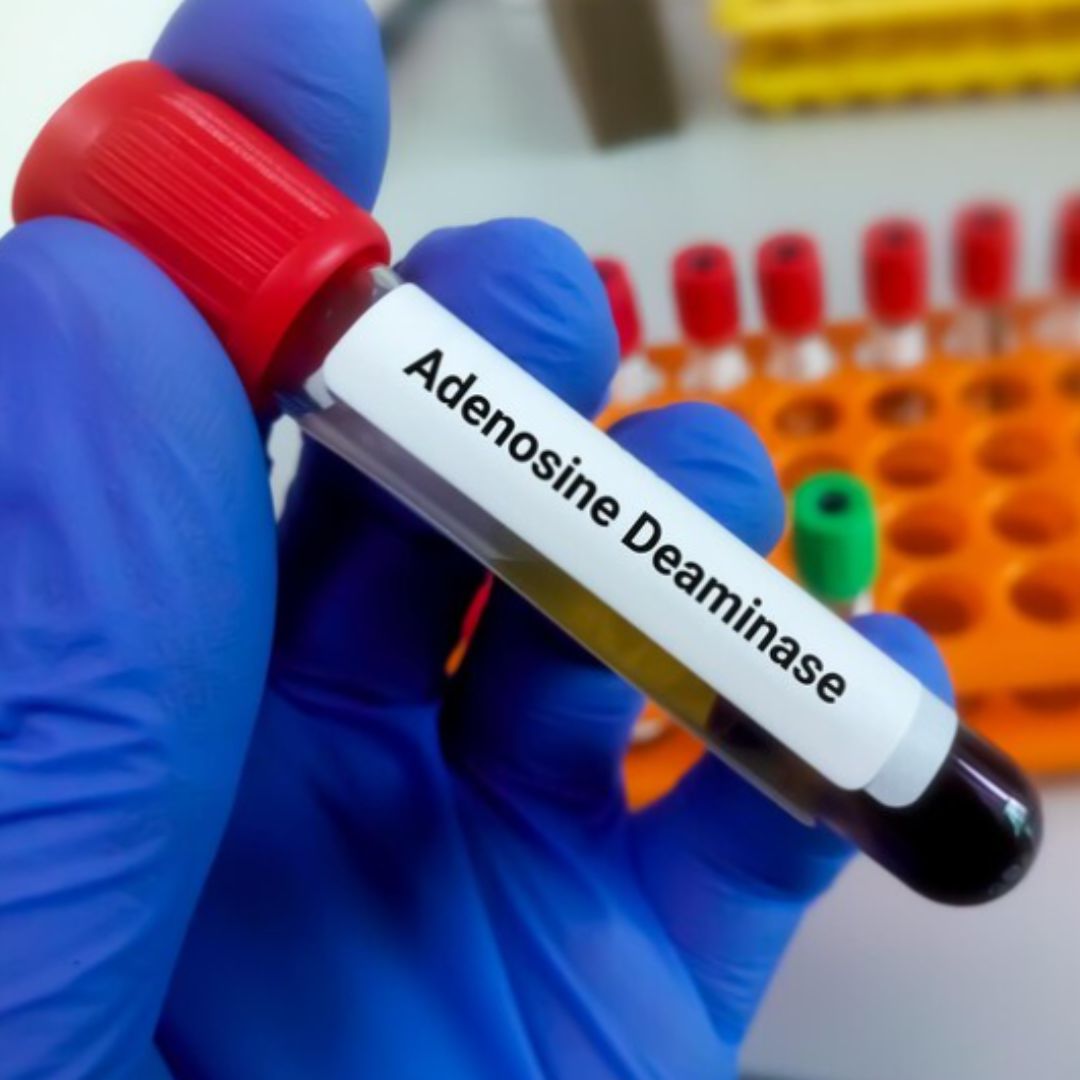
This test measures the level of adenosine deaminase (ADA), an enzyme involved in purine metabolism, in body fluids (commonly pleural fluid from around the lungs). Elevated ADA activity is linked with certain infections and immune responses.
Aid in the diagnosis of tuberculosis (TB) pleuritis
Distinguish between tuberculous pleural effusion and effusions caused by other conditions
Evaluate unexplained fluid accumulation in pleural, peritoneal, or cerebrospinal fluid (CSF)
Persistent cough and chest pain
Shortness of breath
Fever, night sweats
Unexplained weight loss
Fluid buildup seen on imaging (pleural effusion, ascites, etc.)
High ADA levels:
Strongly suggest tuberculosis-related pleural effusion
May also be seen in other infections, some lymphomas, and autoimmune diseases
Low or normal ADA levels:
Less likely to indicate tuberculosis
May point toward non-TB causes of fluid accumulation (e.g., heart failure, malignancy not related to TB)
Risks depend on the fluid collection procedure (e.g., thoracentesis, lumbar puncture):
Mild pain, bruising, or bleeding at puncture site
Rarely infection or injury to nearby structures

Others


Infection Panel
Others

Others






Reviews
There are no reviews yet.