
support@prolabsindia.in
Visit Our Office
3rd Floor, Prashant complex Sec-8, Dwarka, Delhi
Call us
+91-8588007200
What it is:
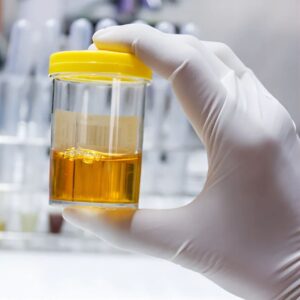
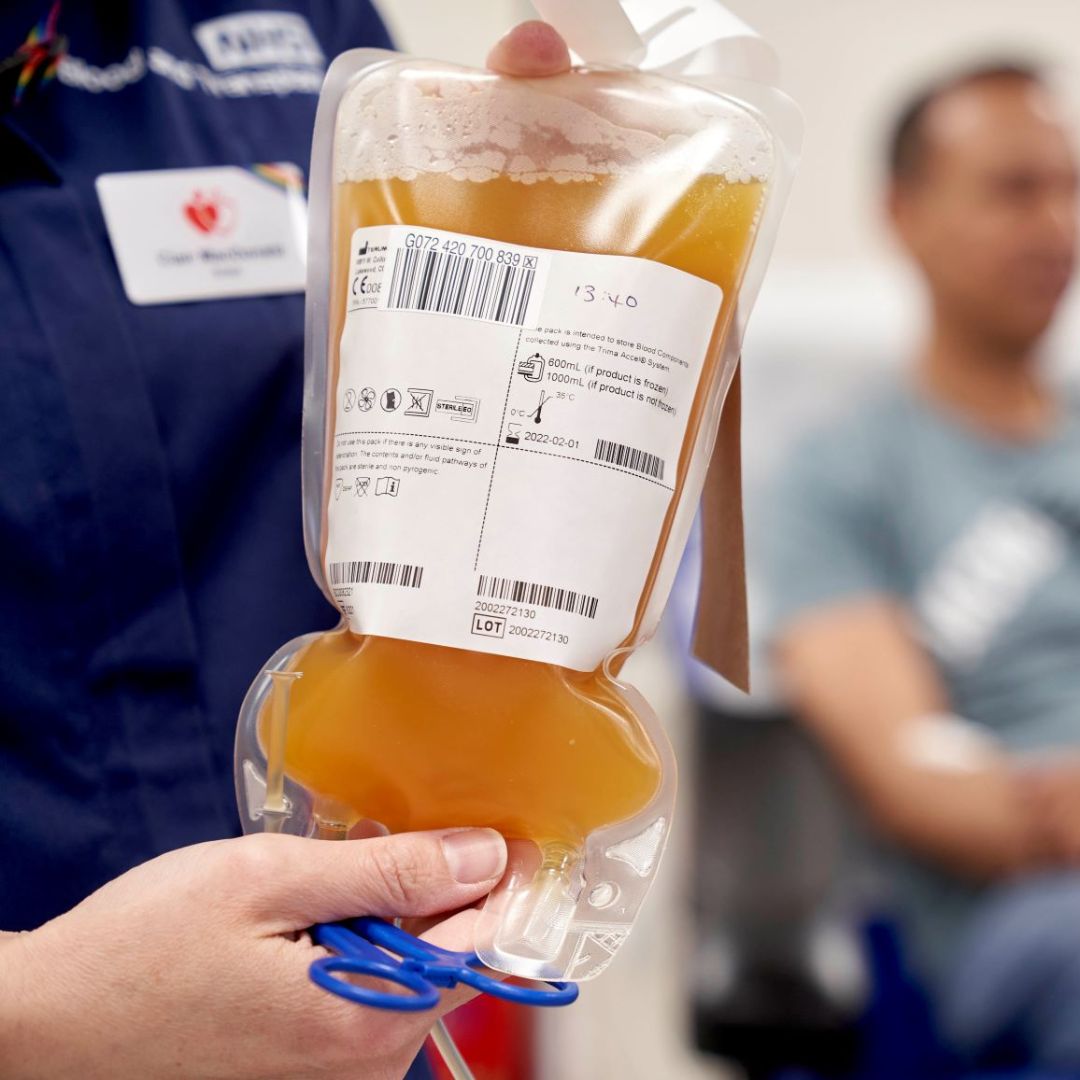
This test measures the level of albumin, a major protein made by the liver, in body fluids such as pleural fluid (around the lungs), peritoneal fluid (ascites), or cerebrospinal fluid (CSF). Comparing fluid albumin with serum albumin helps determine the cause of fluid accumulation.
Differentiate between transudative and exudative effusions (using the Serum-Ascites Albumin Gradient or SAAG, and Light’s criteria)
Diagnose conditions causing fluid buildup, such as:
Cirrhosis and portal hypertension
Heart failure
Infections (e.g., TB, bacterial peritonitis, pneumonia)
Cancers (malignant effusions)
Abdominal swelling (ascites)
Shortness of breath (pleural effusion)
Unexplained swelling/edema
Signs of infection, cancer, or chronic liver disease
High fluid albumin (relative to serum):
Suggests transudate → conditions like cirrhosis, nephrotic syndrome, or heart failure
Low fluid albumin (relative to serum):
Suggests exudate → infections (TB, pneumonia), malignancy, or inflammatory conditions
Risks depend on the fluid collection procedure:
Paracentesis (abdomen) / Thoracentesis (chest) / Lumbar puncture (CSF):
Mild pain or discomfort
Rare bleeding or infection
Very rarely injury to nearby organs
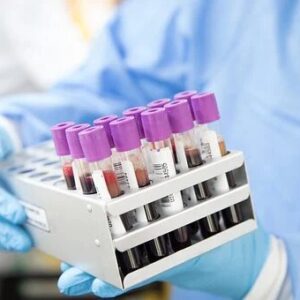
Liver / Hepatic
Kidney / Renal
Liver / Hepatic

Liver / Hepatic
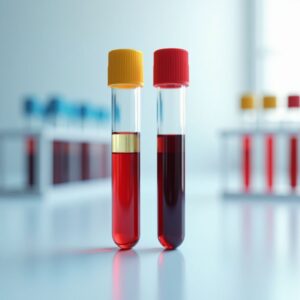
Others
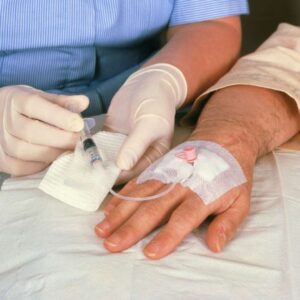
Kidney / Renal

Infection Panel


Reviews
There are no reviews yet.