
support@prolabsindia.in
Visit Our Office
3rd Floor, Prashant complex Sec-8, Dwarka, Delhi
Call us
+91-8588007200
What it is:
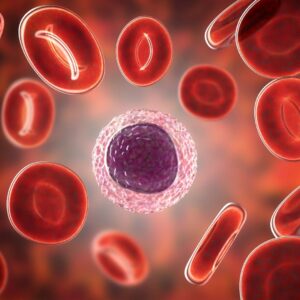
The Absolute Neutrophil Count (ANC) measures the number of neutrophils, a type of white blood cell that serves as the body’s first line of defense against bacterial and fungal infections, in the blood.
ANC is usually calculated from a Complete Blood Count (CBC) with differential.
Evaluate immune system health
Monitor patients undergoing chemotherapy, radiation, or immunosuppressive therapy
Diagnose bone marrow disorders, infections, or autoimmune diseases
Assess infection risk in people with low white blood cell counts
Doctors may order this test if a patient presents with:
Frequent or severe infections
Fever without an obvious cause
Fatigue, weakness, or unexplained illness
Signs of bone marrow suppression (e.g., after chemotherapy)
Autoimmune or hematological disorders
High ANC (Neutrophilia):
Acute bacterial infections
Inflammation (e.g., rheumatoid arthritis, inflammatory bowel disease)
Stress, trauma, or recent surgery
Certain leukemias or bone marrow disorders
Corticosteroid use
Low ANC (Neutropenia):
Chemotherapy or radiation therapy
Bone marrow failure (e.g., aplastic anemia, leukemia)
Autoimmune diseases (e.g., lupus, rheumatoid arthritis)
Viral infections (HIV, hepatitis, influenza)
Certain medications (antibiotics, anti-thyroid drugs, anticonvulsants)
Severe vitamin B12 or folate deficiency
Mild pain, bruising, or bleeding at the puncture site
Rarely dizziness or infection
Adults: 1,500 – 8,000 cells/µL (1.5 – 8.0 × 10⁹/L)
Children: Similar range, slightly higher in newborns
Severity of Neutropenia (low ANC):
Mild: 1,000 – 1,500/µL
Moderate: 500 – 1,000/µL
Severe: < 500/µL (high risk of life-threatening infection)

Infection Panel
Others

Infection Panel

Liver / Hepatic

Others
Blood / Hematology

Others





Reviews
There are no reviews yet.